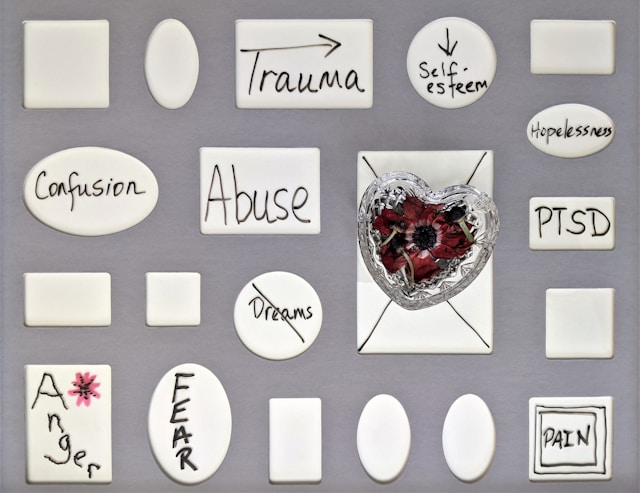


Trauma-Informed Care
Trauma-Informed Care is not simply a clinical methodology or a set of rigid protocols; rather, it represents a comprehensive framework and guiding set of values that prioritizes the understanding and support of individuals who have experienced trauma. At its core, Trauma-Informed Care recognizes the profound and widespread effects of trauma on people’s lives and seeks to embed this awareness throughout healthcare, social services, and community practices.
The Four R’s of Trauma-Informed Care:
Realize the broad impact trauma can have, ranging from emotional distress to disruptions in physical and social well-being.
Recognize signs and symptoms associated with traumatic experiences.
Respond effectively, which means integrating trauma-related knowledge into every facet of clinical practice, ensuring that interventions, communication, and care plans are attuned to the needs and histories of those affected by trauma.
Resist re-traumatization. Create a safe, supportive environment.
Six Core Principles
Safety
Trustworthiness
Transparency
Peer Support
Collaboration
Empowerment
Voice
What does this mean for you as a client?
I will take the time to listen
I will treat you with respect, kindness and care
I will ask, not assume
I will give you choice
Safety first- I will work with you to create a safe base before any trauma processing begins.
Want to find out more? Take a Leap of Faith!
Source:
Yadav, G., McNamara, S., & Guntura, S. (2024). Trauma informed therapy. National Library of Medicine. https://www.ncbi.nlm.nih.gov/books/NBK604200/