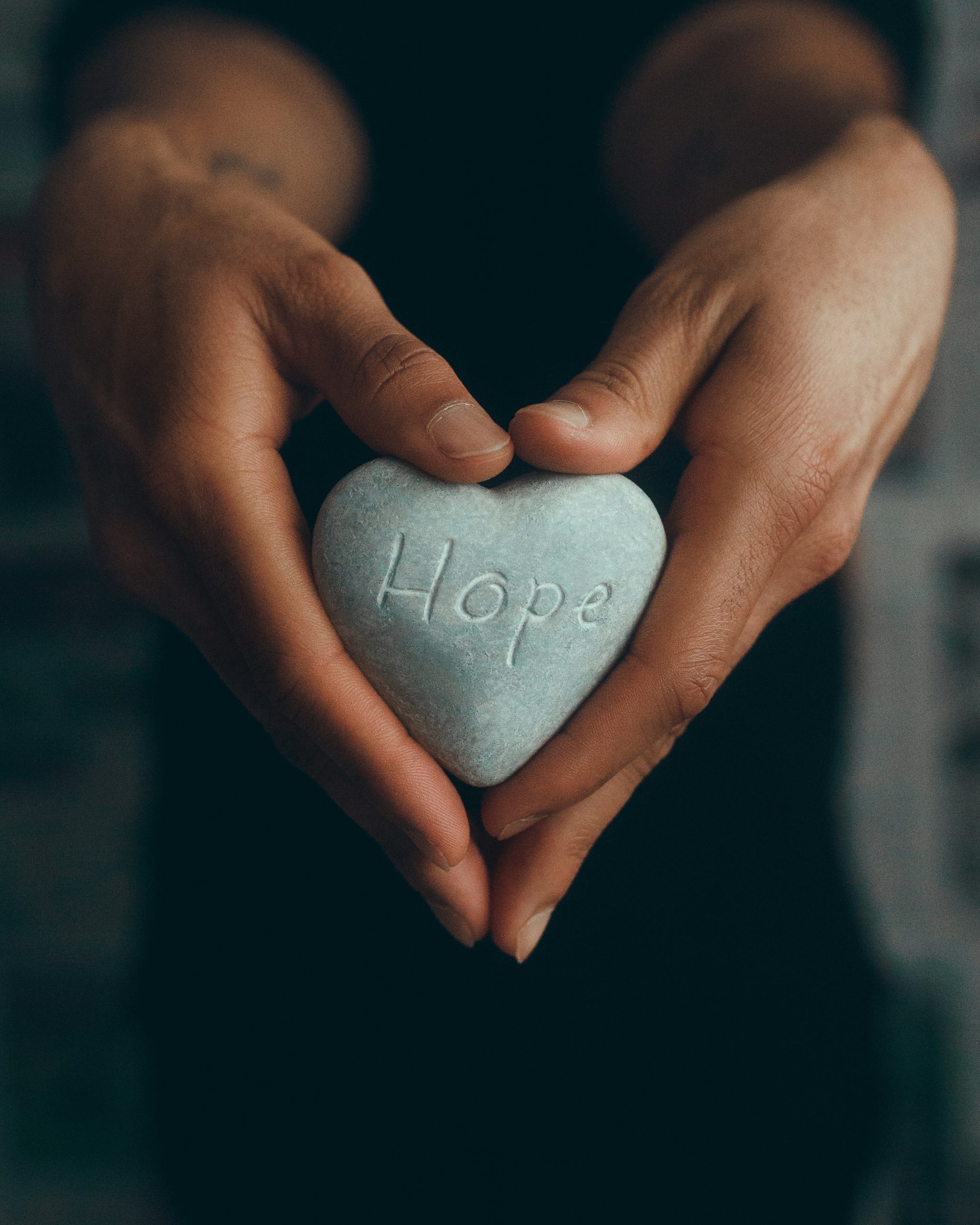


When Hope Changes Shape
Sometimes the bravest thing we can do with a long-held goal is let it change. For years, I wanted my body to be lighter and thinner. I measured progress by numbers and imagined that reaching the right one would make me feel healthier, happier, or more at ease in my own skin. Now, as I enter my third act, I find myself wanting something gentler and more sustaining: to grow stronger, improve my balance, and keep moving as I age. I want to carry groceries, climb stairs, get up from the floor, and continue doing the ordinary things that make a life feel independent and full. This new goal feels less like a demand and more like an act of care.
I am learning that changing direction is not the same as giving up. It asks us to accept where we are, notice how our lives and priorities have shifted, and give ourselves permission to pivot. That can be difficult, especially when a goal has been part of our identity for a long time. Letting it go may feel like admitting defeat, even when it no longer serves us. But our goals are meant to support our lives, not become burdens we carry simply because we once chose them. They can grow and change alongside us.
There is tenderness in asking what we need now rather than holding ourselves to what we wanted years ago. A useful goal does not have to be dramatic or impressive. It may be as simple as feeling steadier on our feet, having enough energy to spend time with people we love, or meeting a hard season with a little more ease. Reconsidering a goal is not erasing the effort that came before. It is listening closely to the life we are living today.
I saw this truth many times during my years working in the cancer world. People often began with the fierce hope of a cure. When illness persisted or treatment options narrowed, that hope did not simply disappear; it took a different shape. For some, the goal became good pain control. For others, it was preserving energy for a family visit, enjoying a favourite meal, sleeping comfortably, or having the best possible quality of life while living with chronic illness. These goals might have looked smaller from the outside, but they were deeply human and profoundly important.
The goalposts moved, not because anyone had failed, but because life had changed. Meeting that change with honesty could make room for comfort, dignity, and moments of real connection. I carry that lesson with me now as I think about my own body and the years ahead. A goal can be released without dismissing the hope that created it. Sometimes, changing the goal is how we keep hope alive.
Is it time for you to rethink your goals? Take a Leap of Faith!