

When the Calandar Brings Grief Back
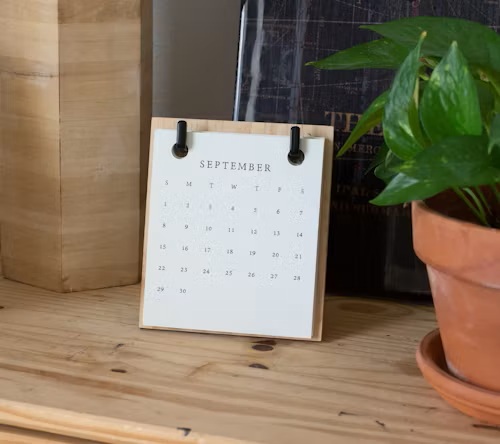
Grief does not always follow the calendar, yet the calendar can call grief forward. A birthday, holiday, season, or the date of a death may bring a renewed sense of absence—even after months or years of steadier days. Sometimes we recognize the connection immediately. At other times, we simply notice that sleep is unsettled, concentration is harder, or sorrow seems closer to the surface.
This is sometimes called an anniversary reaction. Memory is not held only in thoughts; it is also connected to sensations, routines, places, light, weather, music, and scent. The nervous system may respond to these familiar cues before the conscious mind names them. Fatigue, restlessness, tears, muscle tension, changes in appetite, or a feeling of heaviness can all be ways the body signals, “Something important happened around this time.”
These responses do not mean that healing has failed or that grief has moved backward. They reflect the lasting significance of the person, relationship, or life chapter that was lost. Grief can soften and change while still returning in waves. An anniversary may carry sadness, tenderness, anger, gratitude, numbness, or several feelings at once.
It can help to meet the day with less demand and more choice. You might tell a trusted person that the date is approaching, leave room for rest, spend time outdoors, prepare a comforting meal, or create a small ritual of remembrance. Some people want company; others need quiet. There is no single right way to honour a loss.
Above all, listen with kindness to what your body is communicating. Slow down, breathe, and offer yourself the care you would offer someone you love. If anniversary reactions feel overwhelming, persist, or make daily life difficult, it might be time to take a Leap of Faith. Remembering is not the same as being stuck; sometimes it is simply love continuing to make itself known.